
Admiral Enforce
When authorization matters, enforcement can’t be optional.
Admiral Enforce embeds authorization rules directly on trailers and containers so cargo access and asset movement attempts are evaluated locally and enforced physically, even under pressure, outages, and exceptions.
For asset owners enforcing decisions on trailers or containers
For teams that approve pickups, access, or changes
Physical actions ultimately require physical enforcement
Cargo theft, misdirection, and tampering all involve crossing a physical boundary. In many operations, that boundary is protected by gates and procedures. Under normal conditions, those measures work. The weakness appears when enforcement depends on supervision. Physical prevention replaces reactive detection, without losing visibility into what was attempted. With Admiral:

Doors remain locked
Preventing unauthorized cargo access. Seals cease to be a control mechanism, reducing manual application, inspection, and post-incident interpretation.

Trailers remain immobilized
Preventing unauthorized hookups, in-transit misdirection, and mis-pulls. Trailers can wait in unsecured or unmanned yards without escort or supervision.

Less supervision, more audit
Teams no longer need to watch, coordinate, or chase exceptions in real time. Labor shifts from monitoring execution to reviewing outcomes.
How Enforce works in practice
Admiral is built for resilience and scale. Strict enforcement doesn’t require trading off flexibility or speed. With Admiral Enforce, assets make independent decisions locally so operations continue even when connectivity or supervision breaks down.
Policy on the asset
You define access policies and apply them to the asset manually via the dashboard, or automatically through workflow integrations.
Asset context
Each asset continuously evaluates local conditions, including location, time, and state (for example: loading, in-yard, in-transit).
Credentials
Drivers, tractors, or yard personnel present their credentials directly to the asset, transparently, like a vehicle wireless keyless fob.
The asset evaluates
The asset evaluates the presented credentials against the stored policy and current conditions, then grants or denies the action immediately.
This model allows enforcement to scale without constant supervision and without relying on continuous connectivity.
Three ways to use
Admiral Enforce can run on its own, connect to Admiral Resolve, or automate permissioning with Admiral Execute. What changes across these modes is how permissions are justified and applied, not how enforcement works on the asset.

Standalone Enforce

Enforce + Resolve

Enforce + Execute
Who Enforce is for
Enforce is designed for teams accountable for what physically happens to freight: access, custody, and movement.
Asset owners
You need access and movement constraints that don’t depend on supervision, connectivity, or assumptions.
Carriers
You need enforcement that survives handoffs, exceptions, and operating pressure.
Security and risk teams
You need prevention, not investigation, with enforcement that stands on its own.
Shippers
You can start with Resolve, then require Enforce-enabled carriers to make approvals enforceable.
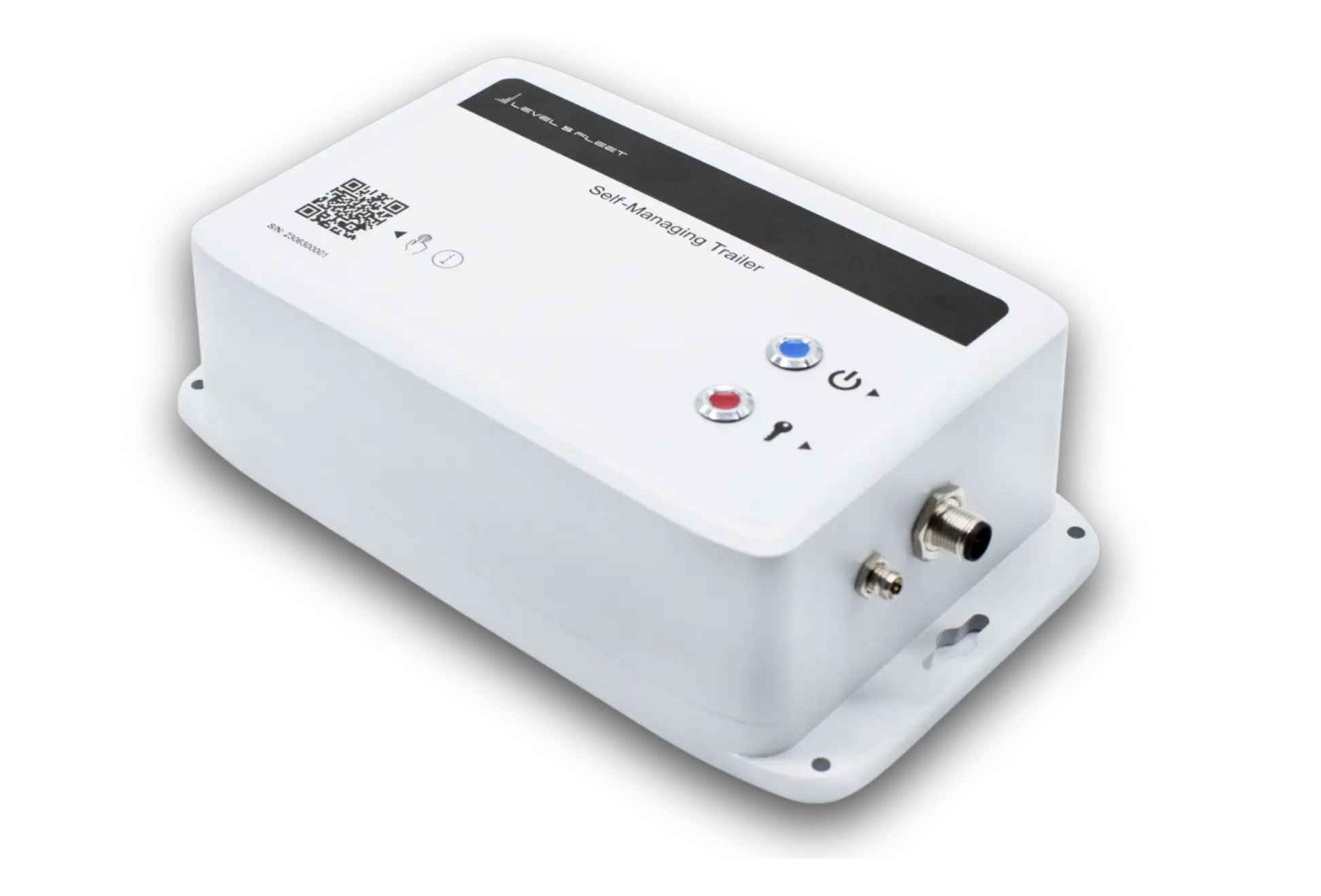
Admiral Enforce is delivered through purpose-built on-asset technology. Explore the components below for specifications, installation guidance, and integrations.

Start where your responsibility begins
If you control equipment, Enforce gives you physical, local enforcement. If you don’t, start with Resolve, then require Enforce-enabled carriers to make approvals enforceable. Promote to Execute when you’re ready to automate permissions from tendering, through check-in, to virtual seal break.