The Trailer Lessor
The situation
Control Ends at the Gate
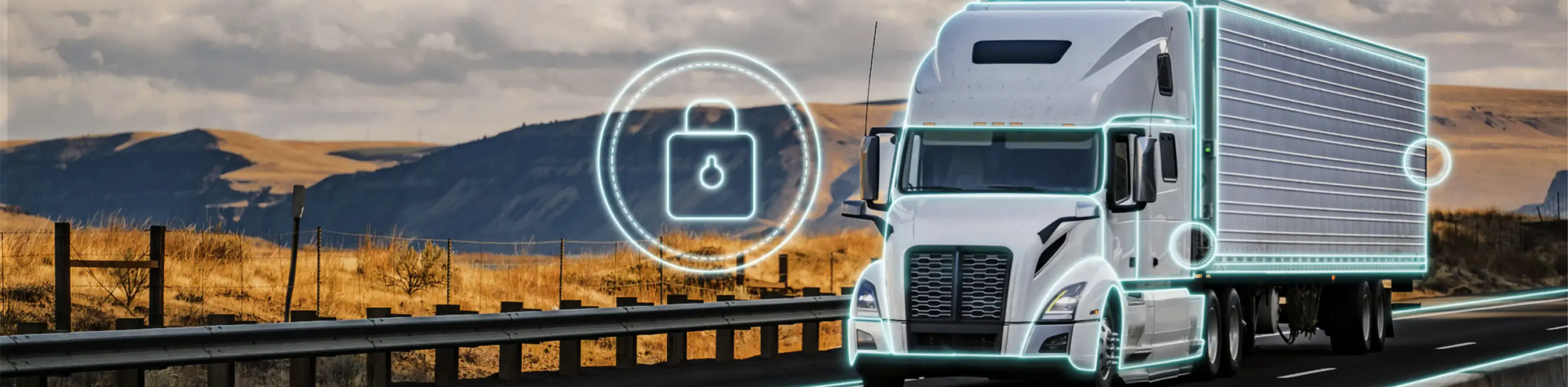
Once a trailer leaves the lot, a lessor gives up much of the physical control it had at the yard. Pickup and return often depend on staffed locations, operating hours and manual handoffs, while unauthorized movement, delinquency and recovery become expensive exceptions to manage.
At the same time, the trailer itself is largely a commodity. To a renter comparing assets, one bare trailer can look much like another.
Why it matters
What the Lessor Gets Back
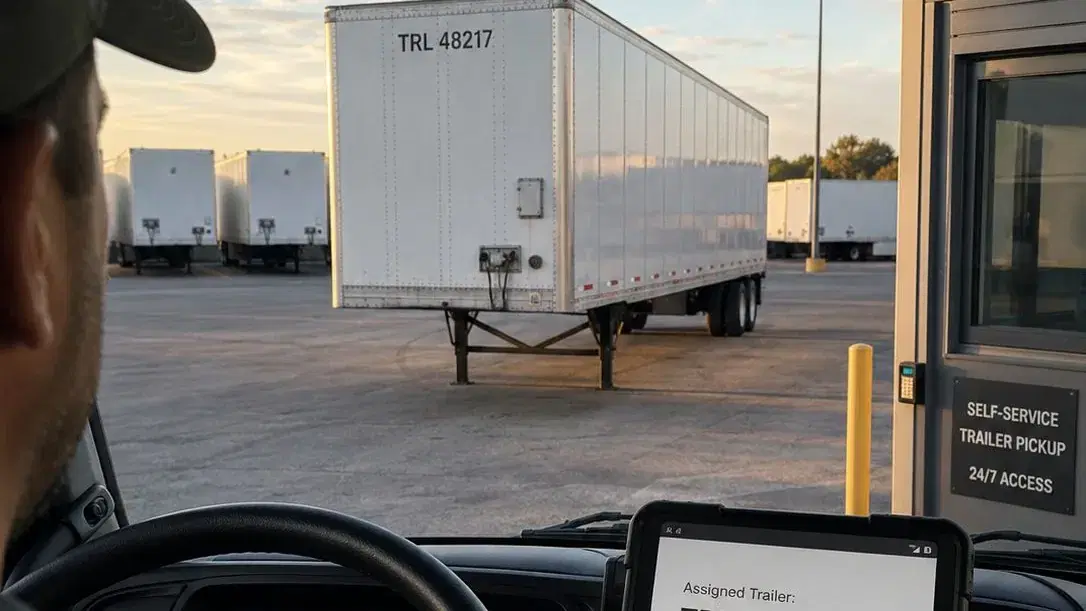
Admiral lets the trailer enforce who may access or move it, while making authorized pickup and return far more self-service.
Pick Up After Hours
An authorized customer can retrieve the assigned trailer without waiting for lessor staff to be present.
Return Wherever Permitted
The trailer records where and when it was dropped, together with its resulting physical state.
Use Remote or Unattended Lots
Authorized customers can access assets while the trailer itself enforces the pickup conditions.
Prevent the Wrong Pickup
A trailer that is not assigned to the presented tractor or customer stays immobilized.
Control Recovery and Holds
When movement should no longer be permitted, the lessor changes the authorization and the trailer enforces the new condition when it is safe to do so.
Offer a Differentiated Tier
Customers can receive automated access control, movement protection and a verifiable event history in addition to the trailer itself.
Protection Stays With the Fleet
When a unit is retired or sold, its Admiral equipment moves to the replacement trailer, so the protection belongs to the fleet rather than to any one trailer.
Admiral turns the trailer from an asset that must be supervised at every handoff into one that can manage much of its own pickup, return and protection.
Read this case in the Admiral brochureAuthorize the customer, not the yard hours.