Warehouse Burglary Ring: 7 Texas Break-Ins, $10M in Stolen Tech
A warehouse burglary ring is an organized group that repeatedly breaks into commercial warehouses to steal high-value inventory, and the Grapevine, Texas case shows what one looks like: police allege seven men cut through bay doors at seven warehouses in five cities and took more than $10 million in electronics between August 2023 and June 2024. The defense against this kind of theft is facility security first: hardened bay doors, monitored alarms with a real response, and control of loaded trailers left in the yard.
TL;DR
- Grapevine police allege a seven-man ring burglarized at least seven North Texas warehouses between August 2023 and June 2024, taking more than $10 million in electronics.
- Police say entry came through holes cut in bay or garage doors, not through fraud, hijacking or a fake carrier booking.
- All seven men were charged with Engaging in Organized Criminal Activity, a first-degree felony in this case, and none has been convicted.
- The controls that address warehouse burglary are facility controls: bay-door hardening, monitored intrusion alarms, a tested alarm response, and camera and plate coverage.
- Trailer-level enforcement protects loaded trailers staged in a yard, but it would not have stopped a break-in to stock inside a building, and this article does not claim it would have.
Table of Contents
- What is a warehouse burglary ring?
- How the Grapevine warehouse ring allegedly operated
- Case timeline
- The numbers: one ring inside a Texas cargo theft surge
- Warehouse burglary warning signs
- Warehouse theft prevention: an 8-step checklist
- Which control covers which risk
- Perspective: a bay door is not a trailer door
- Where Admiral fits in a warehouse burglary, and where it doesn’t
- FAQ
- Sources
- Recommended
What is a warehouse burglary ring?
A warehouse burglary ring is a group of three or more people who repeatedly break into commercial warehouses to steal inventory for resale. Unlike in-transit cargo theft or freight fraud, it targets goods at rest inside a building. In Texas, that collaboration can be charged as Engaging in Organized Criminal Activity, a higher grade than burglary alone.
Two Texas statutes frame the crime. Under Penal Code §30.02, burglary means entering a building, or any part of a building not then open to the public, without the owner’s effective consent and with intent to commit a felony, theft or an assault. For a building that is not a home, it is a state jail felony. Under §71.02, burglary or theft committed as part of a “combination,” defined in §71.01 as “three or more persons who collaborate in carrying on criminal activities,” is generally graded one category higher than the most serious underlying offense.
The line between warehouse theft and cargo theft is thin. The federal cargo theft statute, 18 U.S.C. §659, covers goods taken from a “warehouse, or freight consolidation facility” when they are part of an interstate or foreign shipment. The Grapevine charges were filed under Texas law; no source we reviewed reports federal charges.
How the Grapevine warehouse ring allegedly operated
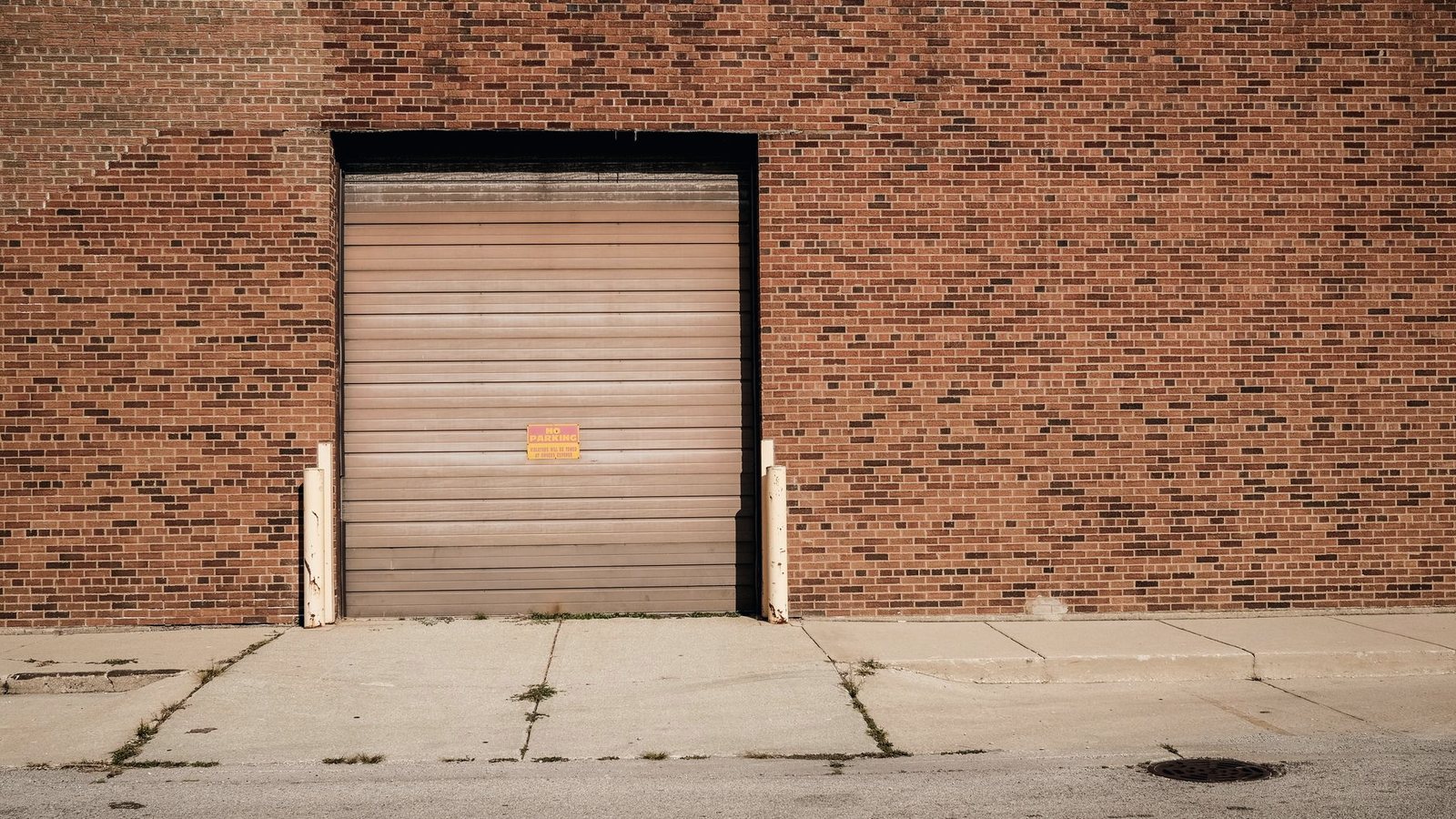
On May 13, 2024, a warehouse in Grapevine, Texas was burglarized. According to Grapevine police, someone cut a hole through a bay door and roughly $500,000 in Ray-Ban smart glasses and Oculus VR goggles was taken. Surveillance video captured the break-in.
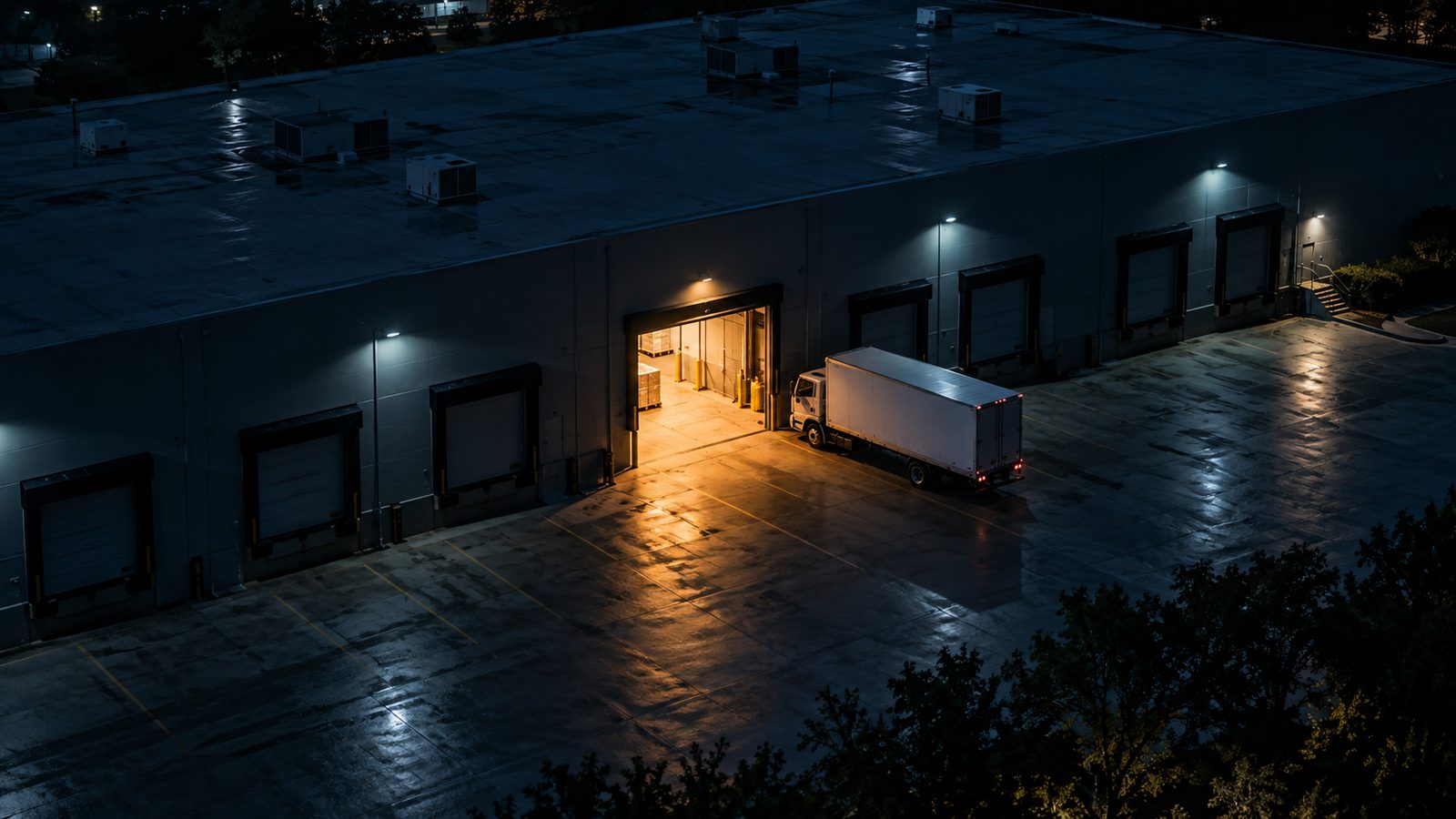
It was not the first. Investigators would link that burglary to at least six others in Grapevine, Plano, Fort Worth, Coppell and Dallas, starting in August 2023 and running through June 2024. Police describe the same target profile each time: warehouses stocking compact, high-value, easily resold electronics such as phones, tablets, game consoles, smart glasses and VR headsets.
Grapevine police describe an operation built on planning, not opportunity. Investigators allege the group:
- Chose targets by inventory, focusing on facilities known to stock high-value electronics.
- Posted lookouts to watch for police response during burglaries.
- Entered through bay or garage doors, bypassing the main entrance.
- Loaded merchandise from pallets and removed it through the breach, in at least one case using a box truck that was itself stolen.
Sources do not describe how the doors were breached, and this article does not speculate.
The break in the case came in mid-August 2024. A Grapevine PD drone confirmed a burglary in progress at a targeted warehouse, and officers moved to intercept. The suspects fled, but one was arrested later that night, the first arrest in the case. Over the following weeks investigators built the rest of the case from surveillance video, license-plate-reader records that tracked the stolen box truck, and cellphone records placing suspects near burglarized warehouses.
By November 2024 all seven men, ages 33 to 40, six from Dallas and one from Carrollton, had been arrested and charged with Engaging in Organized Criminal Activity, a first-degree felony. Grapevine PD credited cooperation with neighboring agencies, saying it “helped connect multiple cases and gather critical evidence.” Sergeant Oscar Ramirez put it more simply: “It’s not very often that you get to bust a ring like this.”
All seven men are presumed innocent. As of the most recent reporting we found, no trial date, plea, conviction or recovery of the stolen goods had been reported.
Case timeline
| Date | Event | Source |
|---|---|---|
| Aug 2023 | First of at least seven documented burglaries linked to the group | Grapevine PD; NBC5 |
| Aug 2023 – Jun 2024 | At least seven warehouse burglaries across Grapevine, Plano, Fort Worth, Coppell and Dallas | Grapevine PD; FOX4; NBC5; CBS News Texas; Dallas Express |
| May 13, 2024 | Grapevine burglary through a cut bay door; about $500,000 in smart glasses and VR goggles taken; break-in captured on video | Grapevine PD; FOX4; NBC5; WFAA |
| Mid-Aug 2024 | Police drone confirms a burglary in progress; suspects flee; one arrested that night | Grapevine PD; NBC5; Dallas Express |
| Aug – early Nov 2024 | Remaining six suspects arrested, using surveillance video, plate-reader tracking of a stolen box truck, and cellphone records | Grapevine PD; FOX4; NBC5; Dallas Express |
| Nov 18–19, 2024 | Case announced; all seven charged with Engaging in Organized Criminal Activity | Grapevine PD; FOX4; NBC5; CBS News Texas |
The numbers: one ring inside a Texas cargo theft surge
The case in four numbers: more than $10 million in alleged losses, $500,000 in the May 13 burglary alone, seven burglaries linked and seven men charged.
One caveat on the total. Grapevine police, FOX4, NBC5, CBS News Texas and Dallas Express report more than $10 million. A single syndicated WFAA/Tegna story reported $6.2 million. We use $10 million because the investigating agency and most outlets report it.
The case sits in a region where reported cargo theft rose sharply. Verisk CargoNet counted 3,625 cargo theft incidents in the US and Canada in 2024, with estimated losses of $454.9 million, a 27% rise in incidents over 2023. Texas incidents rose 39%, and Dallas County’s rose 78%, the highest increase of any US county. The FBI’s IC3 reported in April 2026 that estimated cargo theft losses in the US and Canada reached nearly $725 million in 2025, up 60%, with the average value per theft up 36% to $273,990. Verisk put Q2 2026 losses at $304.6 million.
Those figures cover cargo theft broadly, not warehouse burglary specifically, but the Grapevine case is a reminder that freight at rest is a target too.
Warehouse burglary warning signs
None of these proves a burglary is planned. Log each one, and report combinations to local police.
- Repeated vehicles near the facility after hours, especially box trucks or vans with no business at your site.
- People watching the site or the approach roads without an obvious reason to be there. The Grapevine ring allegedly used lookouts.
- Fresh damage, marks or alterations on bay or dock doors that were not there at the last walk-down.
- Alarm activations with no visible cause, repeated over several nights. Teams start ignoring nuisance alarms, which is what makes them dangerous.
- Cameras knocked out of position, obstructed, or dock-side lights out with no maintenance ticket explaining it.
- Unusual questions about what you store, when shipments arrive, or which doors are used, from people who don’t need to know.
- Break-ins at nearby facilities storing similar goods. The Grapevine ring allegedly worked across five cities; your neighbor’s incident is your early warning.
Warehouse theft prevention: an 8-step checklist
- Treat bay and dock doors as your primary perimeter, not the front entrance. Why: police say entry in this case came through bay or garage doors, bypassing the main entrance.
- Put door-contact and interior motion sensors on a monitored alarm, zoned to the dock and high-value storage areas. Why: a sensor that alerts no one is only a log entry for the morning.
- Write down and test your alarm response: who is called, in what order, and when police are requested. Why: the value of an alarm is set by how quickly someone acts on it.
- Cover dock doors, the yard and the approach roads with cameras that can read plates, and keep footage long enough to connect incidents weeks apart. Why: surveillance video and plate-reader records were central to building this case.
- Do not leave loaded trailers staged in the yard overnight without physical control: back them to a closed door, move them inside the fence, or lock and immobilize them. Why: a loaded trailer in a yard is inventory outside the building, often outside your alarm zones.
- Keep high-value inventory away from exterior bay walls and limit who knows what is stored where. Why: investigators say this ring selected targets by what the facilities stocked.
- Track and secure your own vehicles, and report a stolen truck immediately. Why: a stolen box truck was allegedly used to move goods in this case, and was later traced through plate-reader records.
- Share incidents with neighboring facilities and local police. Why: Grapevine PD said multi-agency cooperation “helped connect multiple cases,” and patterns only show up when cases are linked.
Pro Tip: Walk your site at shift end and mark on a floor plan where loaded trailers actually sit overnight, then lay your alarm zones and camera views over it. Any loaded trailer outside both is your biggest exposure.
Which control covers which risk
| Exposure point | Facility controls (doors, alarms, cameras, guards) | Trailer-level enforcement (door lock + immobilizer) | Fleet GPS tracking |
|---|---|---|---|
| Bay door breached on the building | Primary defense | Does not apply | Does not apply |
| Inventory on pallets inside the warehouse | Primary defense | Does not apply | Does not apply |
| Loaded trailer staged in the yard, doors closed | Partial (fence, lighting, cameras) | Applies: doors stay locked and the trailer stays immobilized until an authorized user is verified | Reports location after it moves |
| Trailer backed to a dock door, doors open into the building | Covered as part of the building | Does not apply while doors are open | Does not apply |
| Getaway vehicle (here, a stolen box truck) | Cameras and plate capture identify it | Does not apply to a box truck | Only if the truck’s owner had tracking on it, which is unknown in this case |
| Building the case afterward | Video and plate records | Audit records apply only to trailer events | Location history, if tracked |
Perspective: a bay door is not a trailer door
Most cargo theft we cover runs through a gap in identity: a fake carrier, a hijacked inbox, a pickup that looks legitimate. The Grapevine case doesn’t. Police allege a group simply cut through a door. That matters, because it is easy for any vendor, including us, to make every theft look like the problem its product solves.
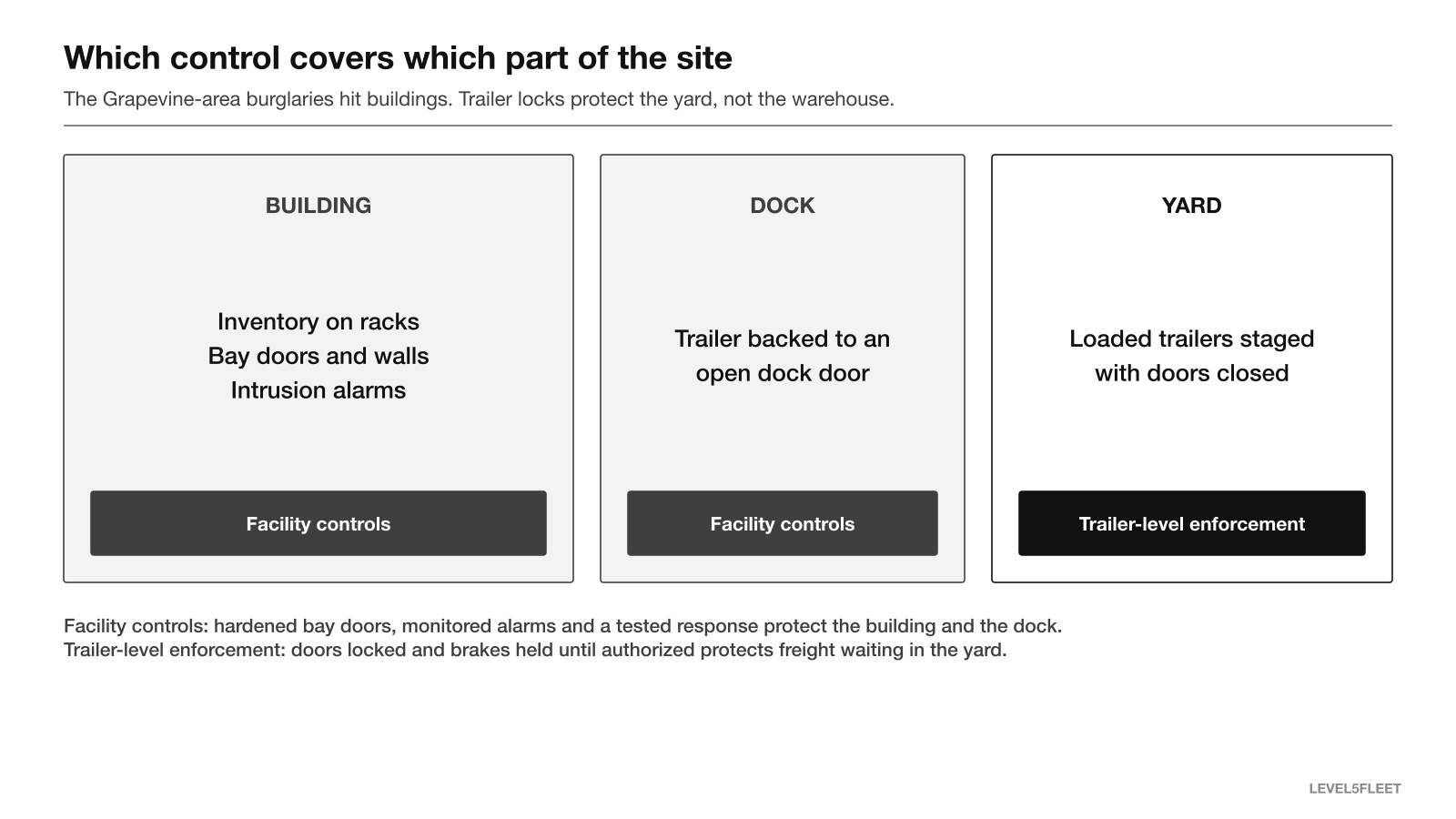
My view is that warehouse operators should separate two questions. The first is how the building is protected: doors, sensors, alarm response, cameras. That is a facility security job, and no trailer device answers it. The second is what happens to freight once it leaves the building and sits in the yard on a trailer waiting for a driver. That is where the facility’s perimeter often thins out and where on-asset controls belong.
The most dangerous assumption I see is that the yard is covered because the building is. A loaded trailer is inventory with wheels, sitting outside the walls you alarmed. If you can’t say who is allowed to open or move it tonight, and what happens if someone else tries, you have a gap the Grapevine case didn’t test but a ring like it could.
— Gwagsi Glenn, Growth Analyst, Level5Fleet
Where Admiral fits in a warehouse burglary, and where it doesn’t
Admiral is a trailer and container security platform. Its hardware sits on the asset: the Admiral Lock inside the cargo door, the Admiral Immobilizer that keeps a trailer from moving until an authorized driver is verified, and the Admiral Hub that evaluates access rules on the trailer. Here is the honest map against this case.
Would have prevented: nothing. The burglaries hit stationary inventory inside buildings. No source reports that any trailer or container was involved. A lock on a trailer door has no bearing on a bay door being cut open, and we don’t claim otherwise.
Would have shortened: possibly, and only through vehicle tracking, not trailer enforcement. The one narrow angle is the stolen box truck. If its owner had fleet tracking on it, an unauthorized-movement alert might have flagged the theft sooner, and investigators might have had a live location trail instead of reconstructing its movements from plate-reader records. That is plausible, not documented: no source identifies the truck’s owner or whether it was tracked. Admiral’s immobilizer and door lock are trailer products, so they would not have applied to a box truck.
Would not have helped: in-transit load tracking, because the goods were in storage, not moving; and Admiral Resolve’s identity verification, because there was no fraudulent booking or impersonated carrier to catch.
Where Admiral does apply for a warehouse operator is the yard, not the building. Admiral Enforce keeps trailer doors locked and the trailer immobilized until movement is authorized, so loaded trailers “can wait in unattended yards.” Access is granted only when the person presenting credentials matches the policy set for that trailer, location and time. A yard rule can, for example, lock every trailer’s doors and brakes inside the geofenced yard until opening hours. That protects freight staged outside your walls. It does not replace bay-door hardening, intrusion alarms or a tested response inside them.
If you run a yard where loaded trailers wait overnight, see how Admiral Enforce locks and immobilizes trailers on the asset and request an Enforce Pilot for your highest-value lanes.
FAQ
How do you prevent warehouse theft?
Start with the building’s weakest openings, usually bay and dock doors, and put them on a monitored alarm with a written, tested response. Add camera and plate coverage of docks, yard and approach roads, and don’t leave loaded trailers in the yard overnight without locking and immobilizing them or moving them inside the fence.
What should you do after a warehouse break-in?
Call police, preserve the scene, and secure all camera footage and alarm logs before they are overwritten. Inventory what was taken by item and value, check whether neighboring facilities had similar incidents, and share what you have, since connecting separate incidents is how the Grapevine investigators built their case.
Is warehouse burglary the same as cargo theft?
Not always, but they overlap. Burglary is a state crime defined around unlawfully entering a building to commit theft, while the federal cargo theft statute, 18 U.S.C. §659, explicitly covers goods taken from a warehouse when they are part of an interstate or foreign shipment.
How bad is cargo theft in Texas?
Verisk CargoNet reported that Texas cargo theft incidents rose 39% in 2024 over 2023, and Dallas County’s rose 78%, the largest increase of any US county. The Grapevine ring allegedly operated in exactly that region, hitting warehouses in Grapevine, Plano, Fort Worth, Coppell and Dallas.
Is cargo theft a federal crime?
Yes, when the goods are part of an interstate or foreign shipment. 18 U.S.C. §659 covers theft of such goods from places including trailers, containers, freight stations and warehouses, with up to 10 years in prison, or up to three years if the value is under $1,000. Many cases, including Grapevine, are charged under state law instead.
Sources
- Grapevine Police Department, “Multi-Million Dollar Theft Ring Busted,” November 2024: https://www.grapevinepd.org/CivicAlerts.aspx?AID=10
- FOX4 Dallas-Fort Worth, “Grapevine police bust multimillion-dollar crime ring targeting warehouses,” November 18, 2024: https://www.fox4news.com/news/grapevine-police-bust-multimillion-dollar-crime-ring-targeting-warehouses
- NBC5 Dallas-Fort Worth, Grapevine PD crime ring report, November 2024: https://www.nbcdfw.com/news/local/grapevine-police-bust-crime-ring-charged-steal-10-million-tech-products-warehouses/3700664/
- WFAA, “Seven men accused of stealing $6.2 million in merchandise from several warehouses arrested by Grapevine PD,” November 2024: https://www.wfaa.com/article/news/crime/seven-men-arrested-500k-theft-ray-bans-virtual-reality-goggles-grapvine-north-texas/287-8e7301bb-c8d9-42ae-8ff7-ed8de096e130
- CBS News Texas, “7 charged with organized criminal activity in multimillion-dollar North Texas cargo theft ring,” November 2024: https://www.cbsnews.com/texas/news/seven-charged-in-north-texas-multimillion-dollar-cargo-theft-ring-bust
- Dallas Express, “Grapevine Police Crack $10 Million Warehouse Theft Ring,” November 2024: https://dallasexpress.com/crime/grapevine-police-crack-10-million-warehouse-theft-ring/
- Risk & Insurance, “Cargo Theft Losses Hit Record $455M in 2024” (Verisk CargoNet analysis), January 30, 2025: https://riskandinsurance.com/cargo-theft-losses-hit-record-455m-in-2024/
- FBI IC3 Public Service Announcement, April 30, 2026: https://www.ic3.gov/PSA/2026/PSA260430
- Verisk, “Cargo theft losses more than double to $304 million in Q2”: https://www.verisk.com/company/newsroom/cargo-theft-losses-more-than-double-to-$304-million-in-q2-despite-a-drop-in-thefts-driven-by-high-value-metals-and-technology-heists/
- Texas Penal Code §30.02, Burglary: https://texas.public.law/statutes/tex._penal_code_section_30.02
- Texas Penal Code §71.01, Definitions: https://texas.public.law/statutes/tex._penal_code_section_71.01
- Texas Penal Code §71.02, Engaging in Organized Criminal Activity: https://texas.public.law/statutes/tex._penal_code_section_71.02
- 18 U.S.C. §659, Interstate or foreign shipments by carrier: https://www.law.cornell.edu/uscode/text/18/659